Rock chips, road debris, and swirl marks are practically unavoidable once a vehicle spends real time on the road. Most drivers have tried ceramic coating or traditional film to fight back, but a newer option has been gaining attention for offering a different kind of protection altogether: liquid paint protection film. Here's what it is, how it works, and why it might change the way you think about protecting your paint.
What Is Liquid Paint Protection Film?
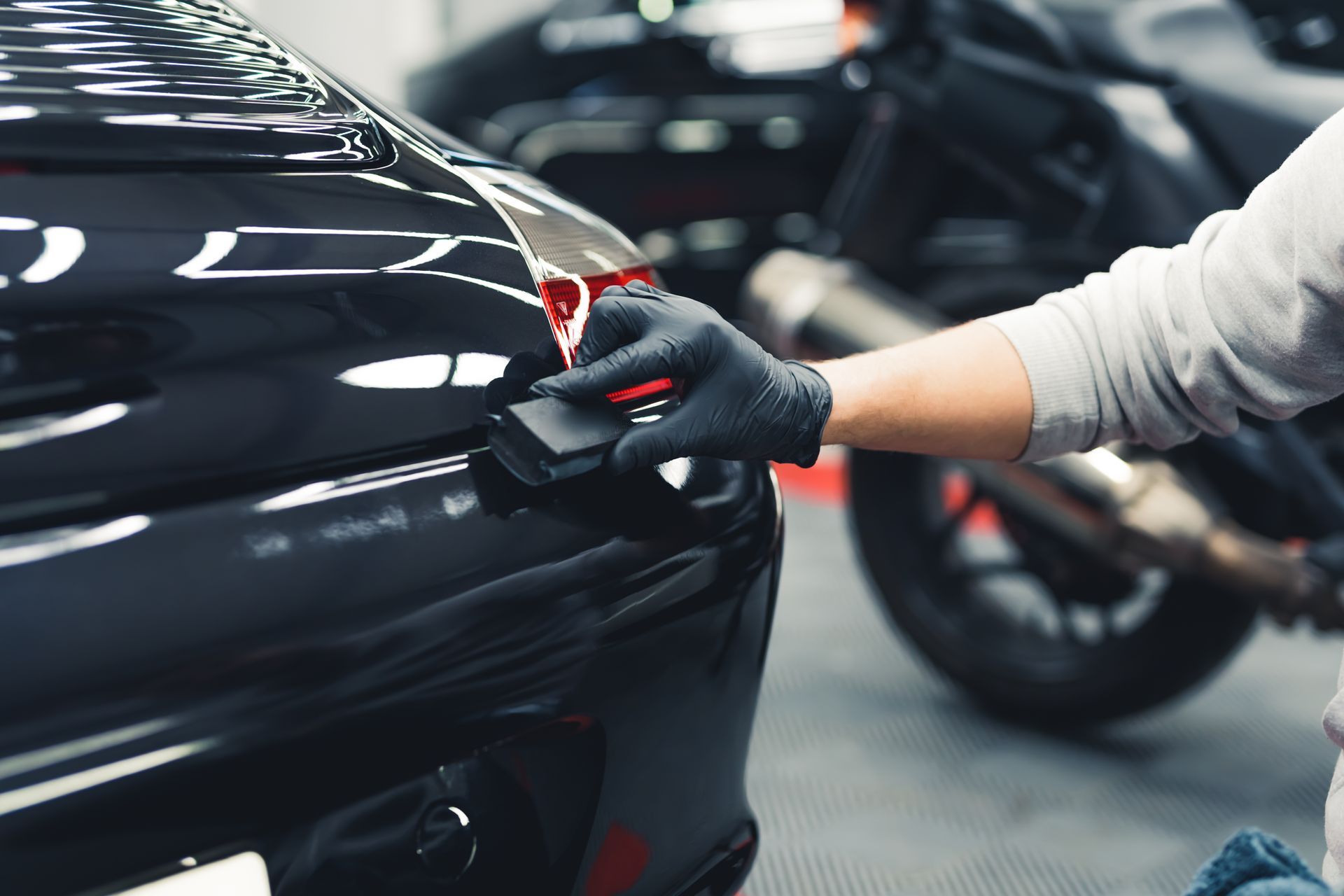
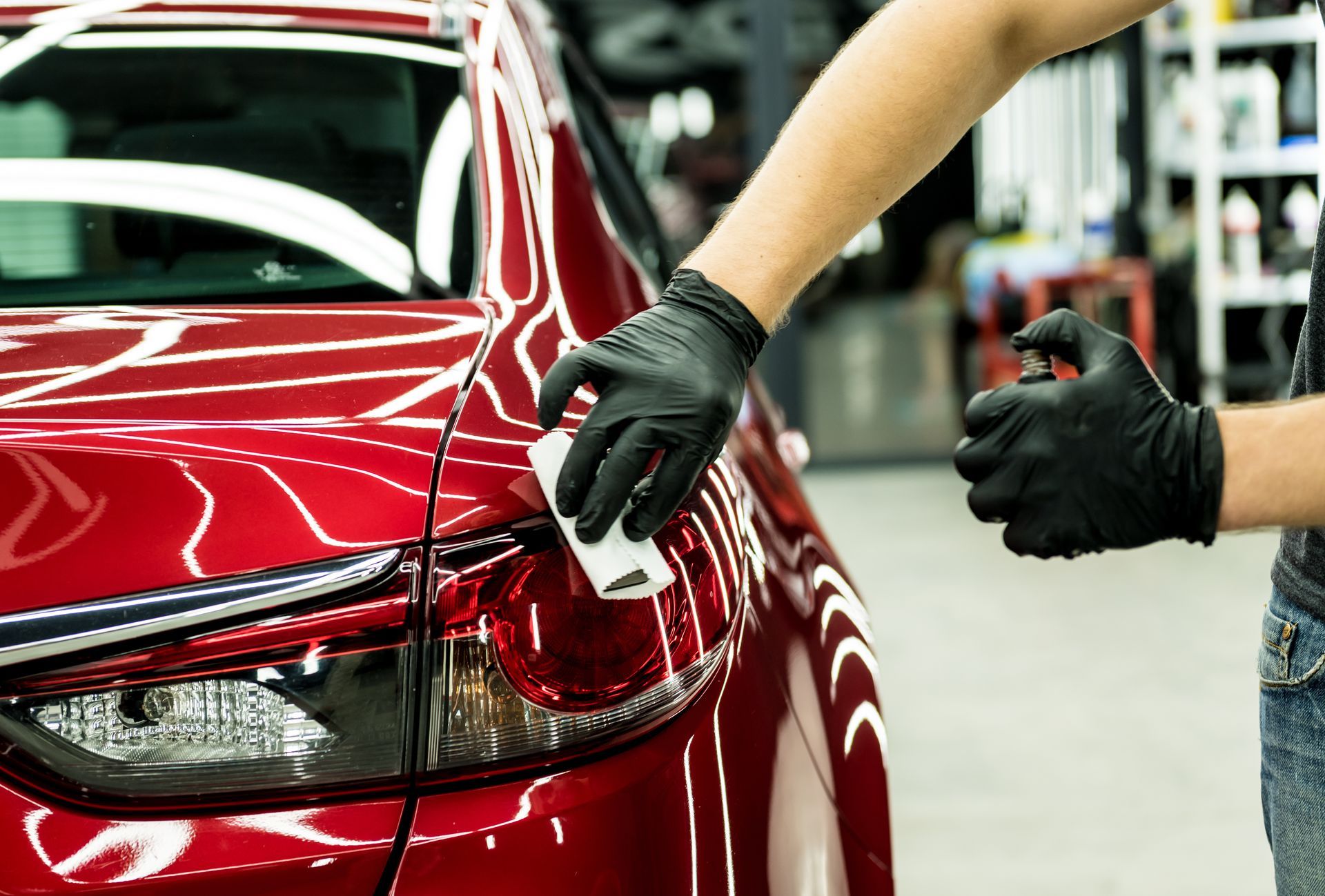
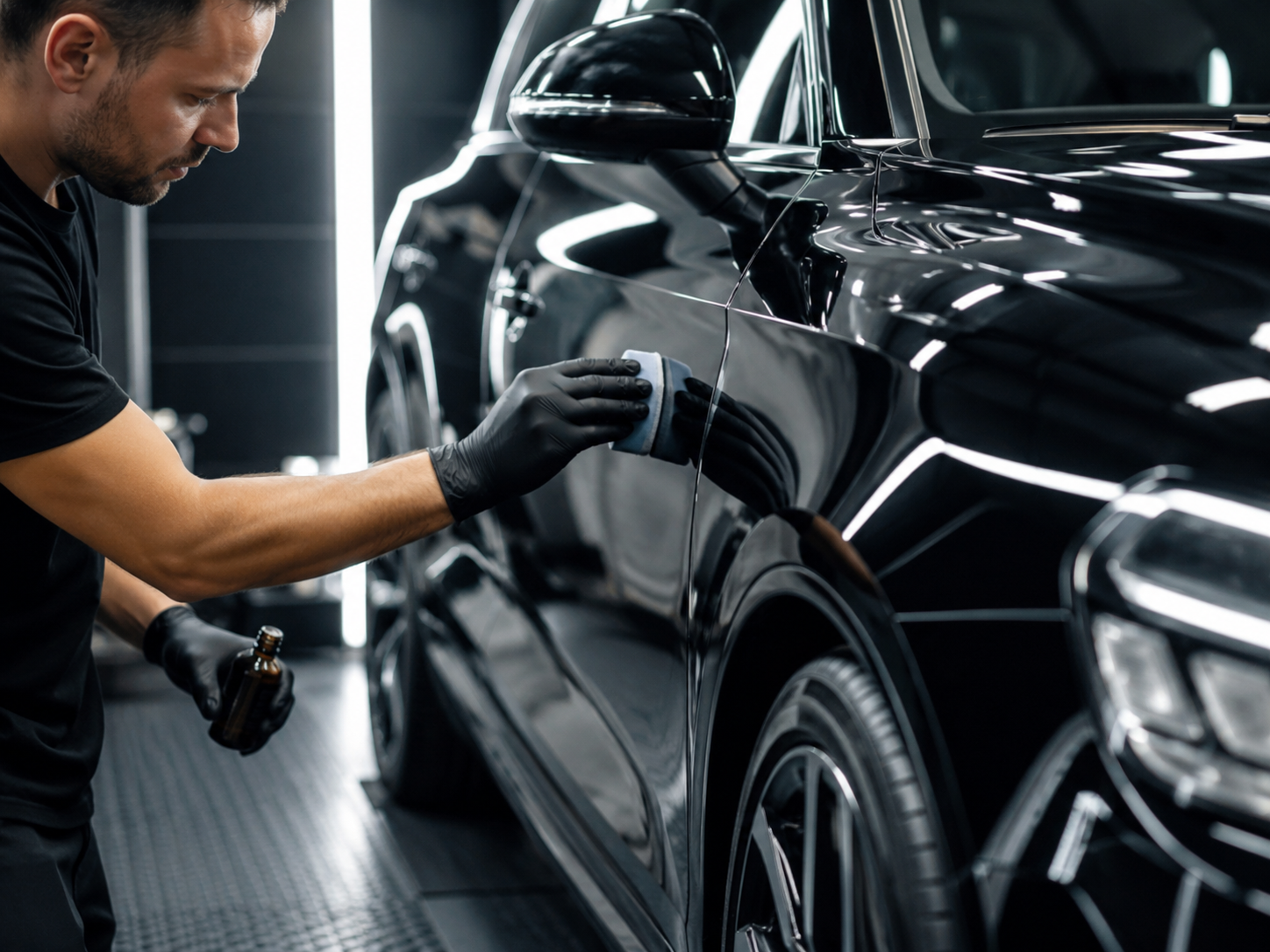
Liquid paint protection film, often shortened to liquid PPF, is a spray-applied protective treatment for a vehicle's exterior. Instead of using pre-cut sheets like traditional film, it's applied as a liquid that builds up in layers directly on the paint.
Once cured, it creates a uniform protective barrier without the visible edges or seams that come with sheet-applied film. It sits somewhere between a standard ceramic coating and traditional PPF, offering more physical protection than a coating while keeping a smoother, more consistent finish than film alone.
How Does Liquid PPF Work?
Liquid PPF is applied in multiple layers, or coats, with each one adding to the overall thickness and durability of the protective barrier. More coats generally mean stronger protection and a longer-lasting warranty.
As it cures, the product bonds directly to the paint's surface rather than sitting as a separate physical layer the way traditional film does. This is what allows it to wrap smoothly around curves, edges, and body lines without the trimming or cutting that sheet-applied film requires.
Benefits of Liquid PPF Over Standard Film
No Visible Seams or Edges
Traditional film is installed in individual pieces, which means seams and edges are unavoidable in certain spots. Liquid PPF is sprayed on directly, so it follows the vehicle's contours without any visible lines, giving the exterior a cleaner, more cohesive look.
Full Coverage Without the Cutting
Because liquid PPF doesn't rely on pre-cut sheets, it can cover the entire exterior more easily, including curves and tight areas that are harder to wrap with traditional film. This makes full-body coverage more accessible for drivers who want complete protection.
Self-Healing Performance
Many liquid PPF products include self-healing properties, meaning light swirls and fine scratches in the coating can smooth out with heat from the sun or warm water. This helps the finish maintain its clean, glossy look over time without constant polishing.
Stronger Protection Than Ceramic Coating Alone
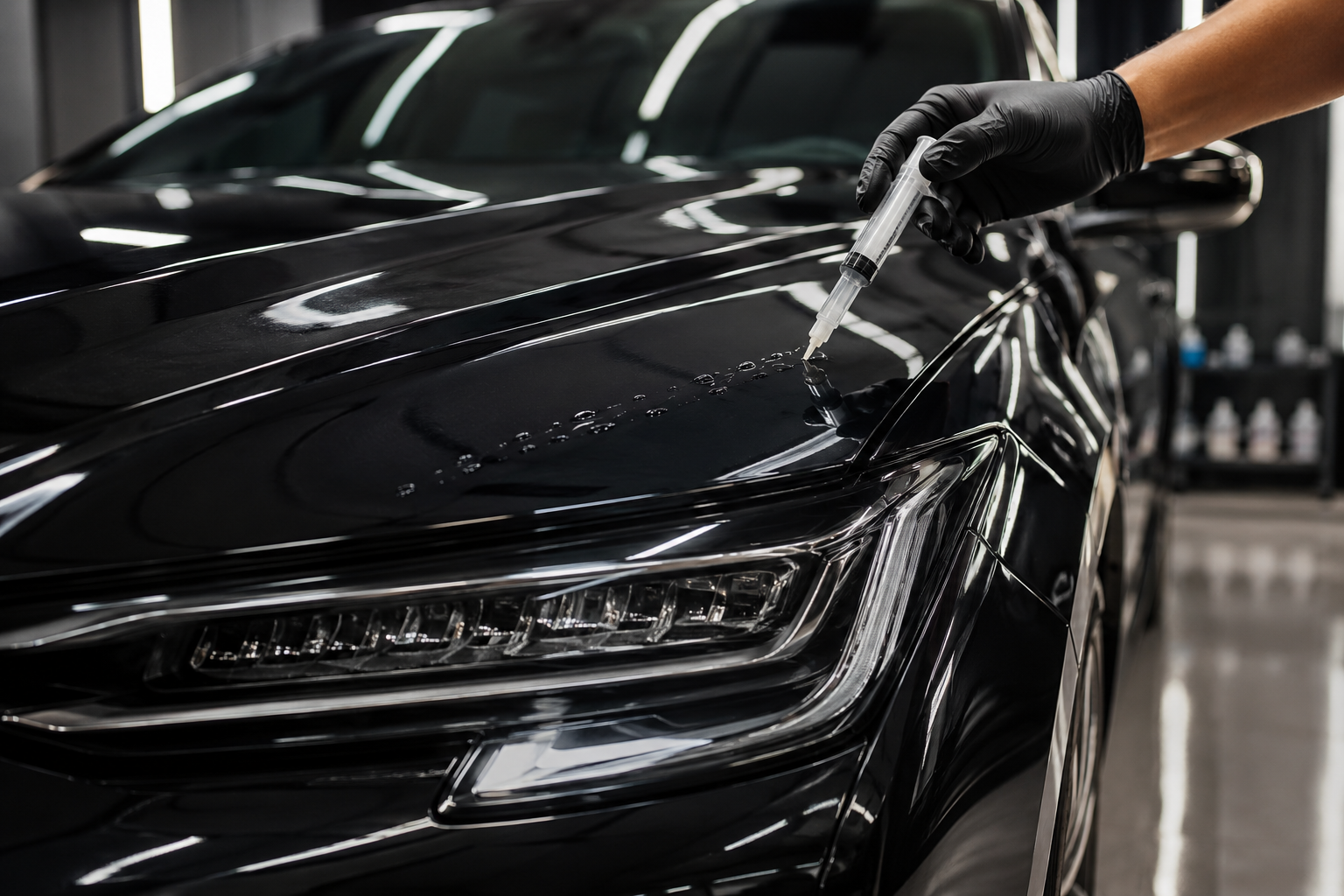
While ceramic coating offers excellent gloss and hydrophobic performance, it isn't built to absorb physical impact. Liquid PPF adds a thicker layer that provides more meaningful defense against chips, scratches, and road debris than a standard coating can offer on its own.
Conclusion
As paint protection technology keeps evolving, liquid PPF is proof that drivers no longer have to choose between a clean, seamless look and serious protection. Whether that makes it the right call for your vehicle usually comes down to how you drive, where you park, and how hands-on you want your maintenance routine to be.
Not sure which direction fits your situation best? Tony's Fine Touch Detailing is happy to talk through your options, whether that's liquid PPF, traditional film, or ceramic coating, and help you land on what actually makes sense for your vehicle. Give us a call at (859) 802-9636 or send over a quick quote request to get started.