Most drivers have heard the term "ceramic coating" tossed around at some point, whether from a detailer, a friend, or an ad online. But what it actually is, and what it does for your vehicle, isn't always clear.
Ceramic coating has become one of the most talked-about upgrades in vehicle care, and for good reason. Understanding how it works can help you decide whether it's the right fit for your vehicle.
Ceramic Coating 101: What Is It?
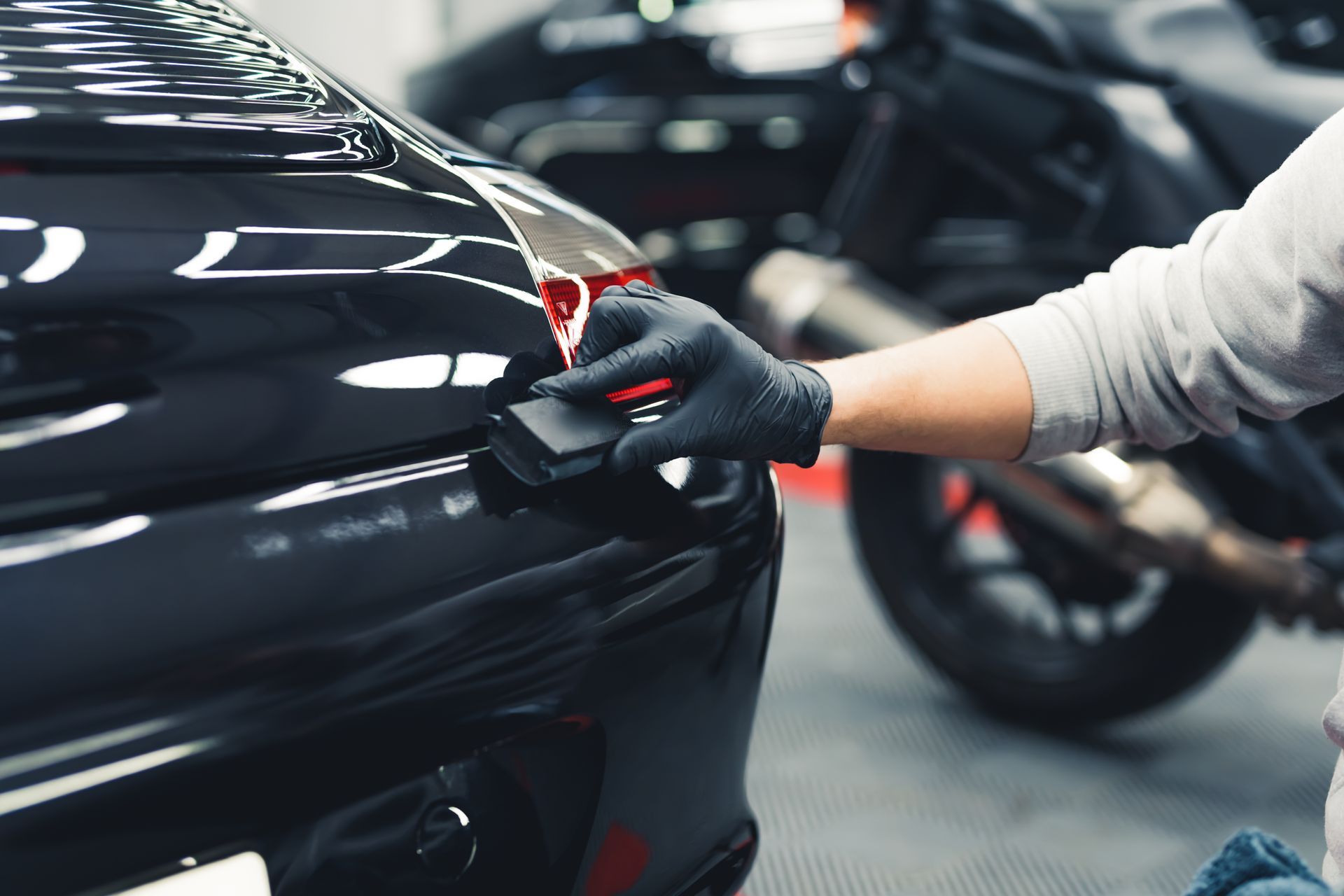
Ceramic coating is a liquid polymer applied to your vehicle's exterior surfaces. Once it cures, it bonds to the paint and forms a protective layer that sits on top of the clear coat.
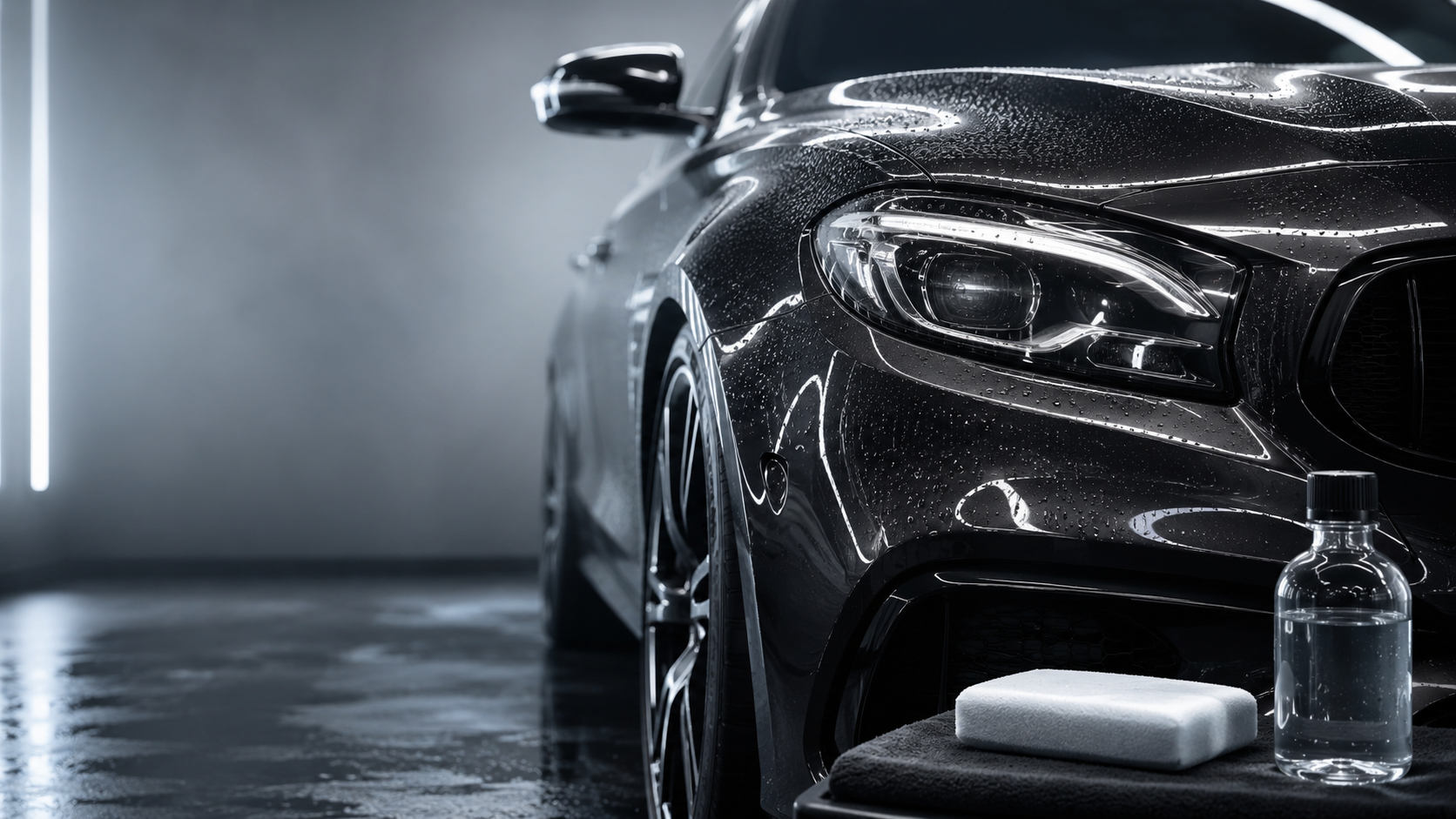
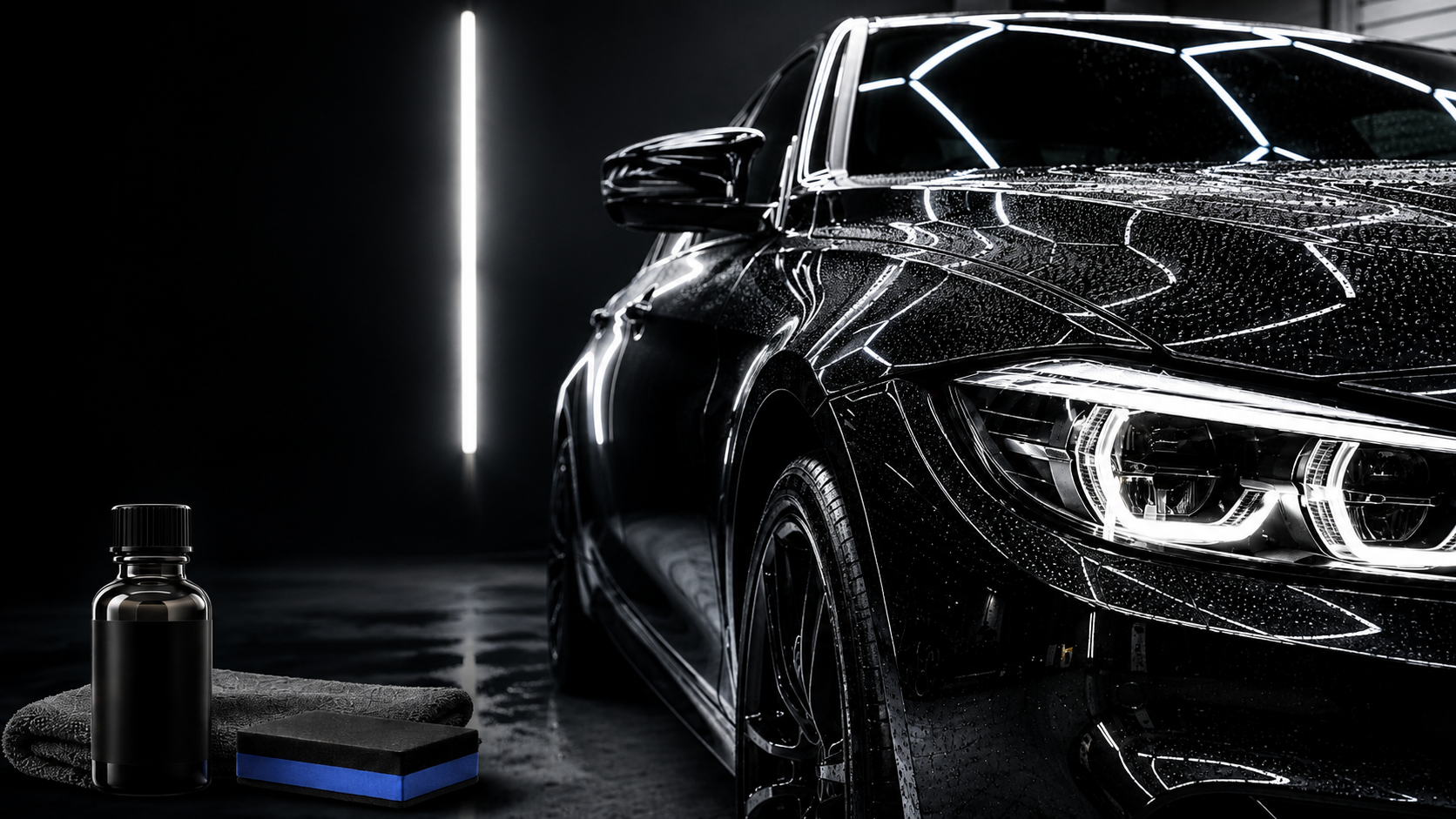
Unlike wax, which sits loosely on the surface and breaks down within weeks, a ceramic coating application is designed to last for years with proper care. It creates a hydrophobic surface, meaning water beads up and rolls off rather than sitting and drying on the paint. That same hydrophobic quality also helps dirt and grime release more easily during a wash.
Ceramic coating does not replace regular washing or maintenance. It's a layer that works alongside your normal care routine, not a substitute for it.
Why Car Owners Invest In Ceramic Coating
A Glossier, Deeper Finish
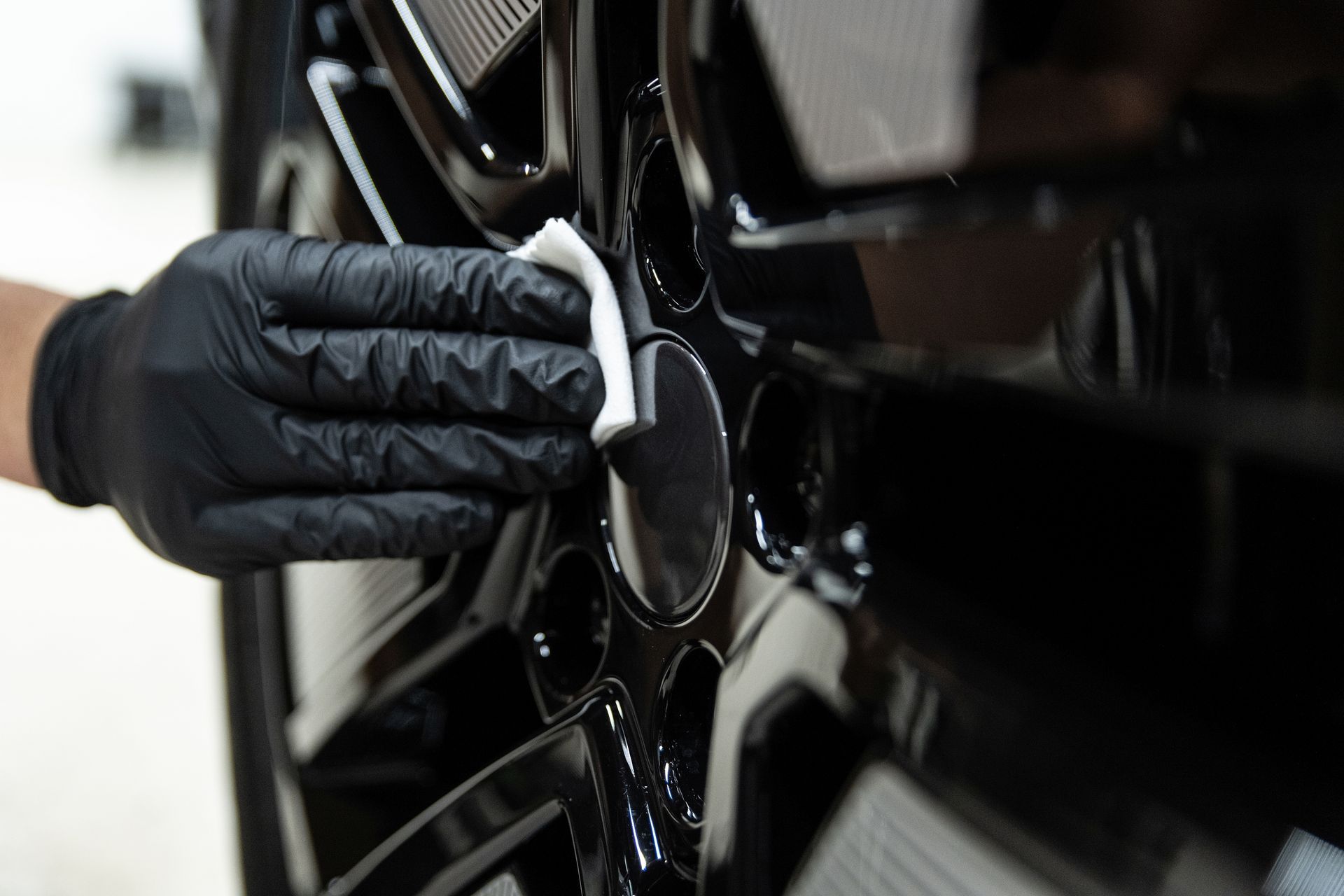
Ceramic coating enhances the way paint reflects light, giving vehicles a deeper, more polished look. Many owners notice their paint appears richer and more refined once the coating is applied, especially on darker colors where reflections are more noticeable.
Easier Maintenance Between Washes
Because water and dirt have a harder time clinging to a coated surface, routine washing becomes less of a chore. Contaminants that would normally bond to bare paint tend to rinse away more easily, which is one of the biggest reasons drivers make the switch.
UV Resistance
Sun exposure gradually breaks down unprotected paint over time, leading to fading and a duller appearance. Ceramic coating adds a layer of UV resistance that helps slow this process, which matters most for vehicles that spend a lot of time parked outside.
Longer-Lasting Results Than Wax
Traditional wax needs to be reapplied every few months to keep working. A ceramic coating application holds up far longer, which is why many owners see it as a more practical long-term option rather than a recurring task.
It's worth noting that ceramic coating doesn't make a vehicle scratch-proof or eliminate the need for washing altogether. It's best understood as a way to enhance and help preserve the condition of the paint, not a substitute for regular care.
Conclusion
Ceramic coating is a liquid polymer coating that bonds to your vehicle's clear coat, offering a glossier finish, easier maintenance, and added UV resistance compared to traditional wax. While it isn't necessary for every vehicle, it's a popular option for drivers who want longer-lasting results with less recurring upkeep.
If you're curious whether ceramic coating makes sense for your vehicle, Tony's Fine Touch Detailing can walk you through the options. Contact us today at (859) 802-9636 or request a free quote to learn more.